Kilimanjaro News Network
The Voice of Africa
UMOJA
NA MAENDELEO

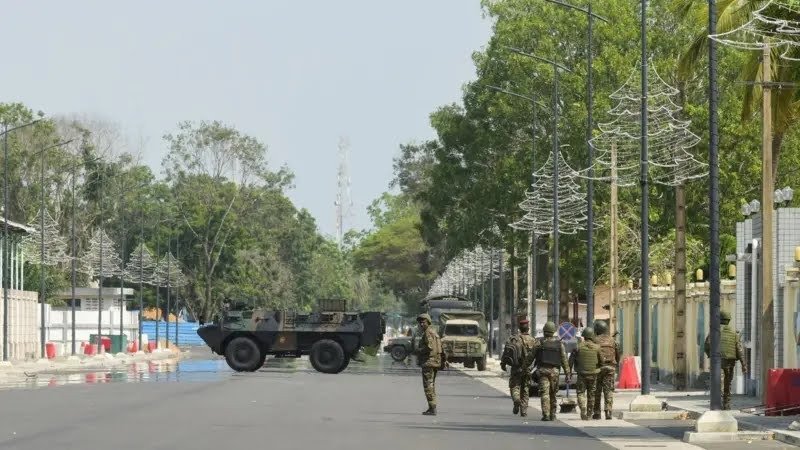
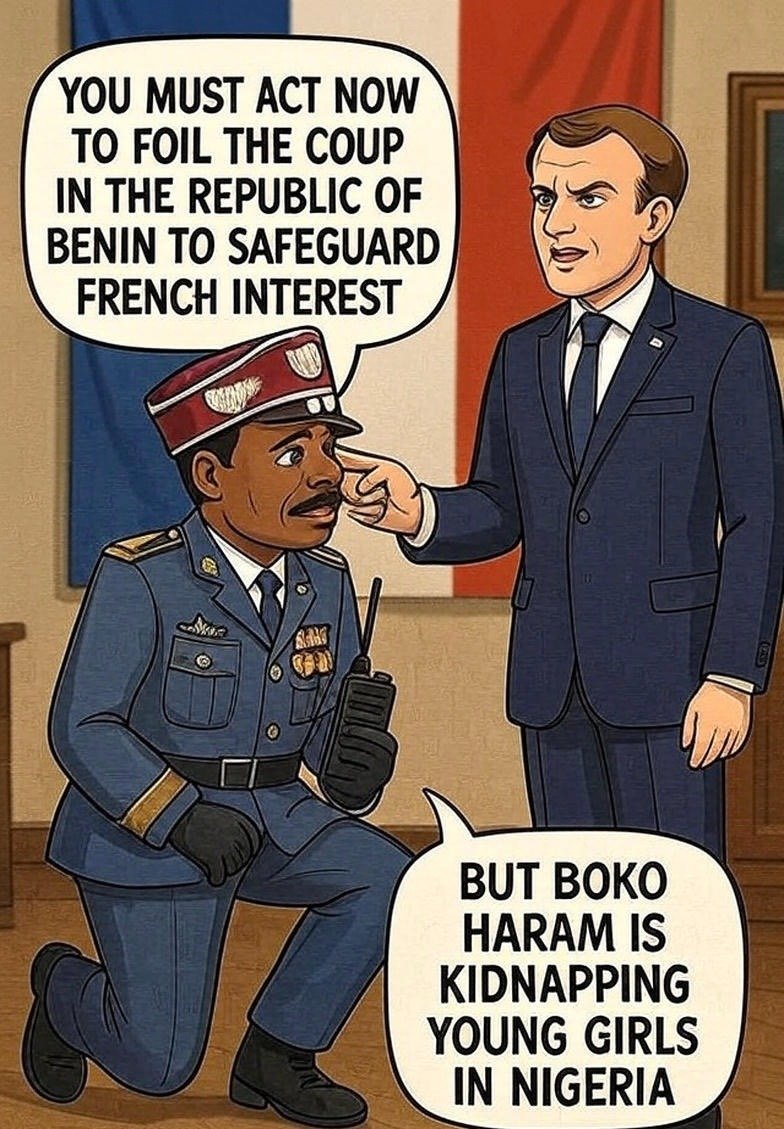
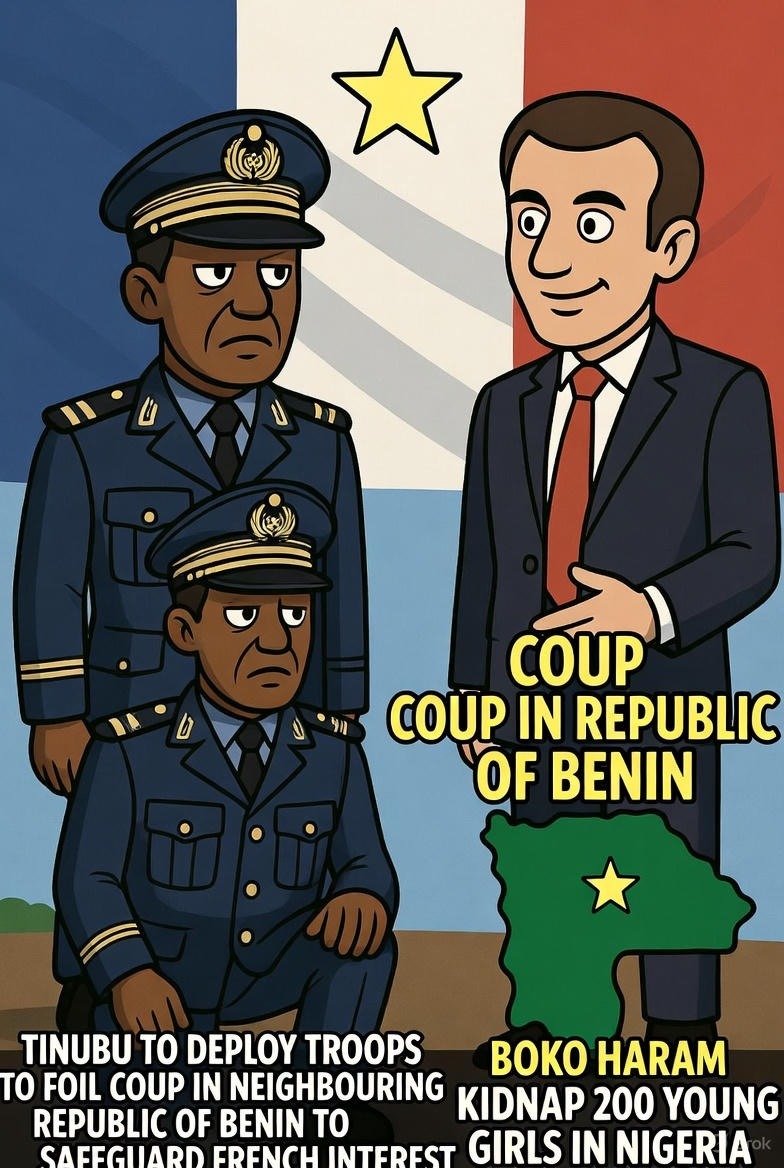
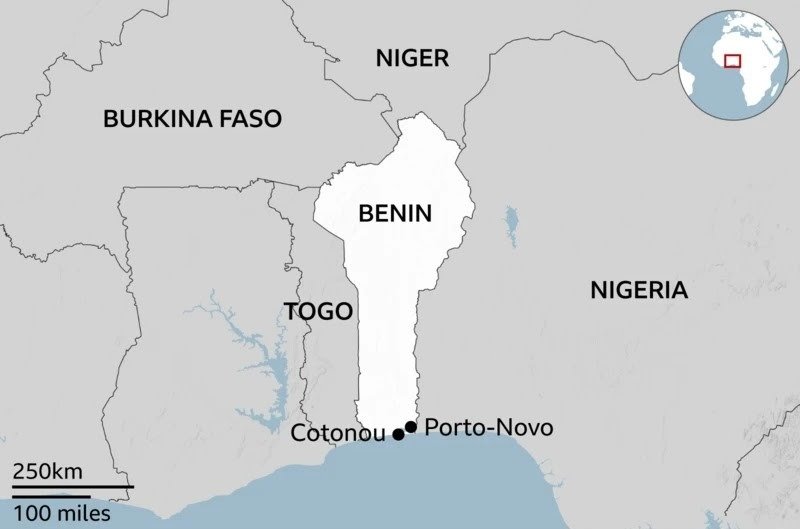
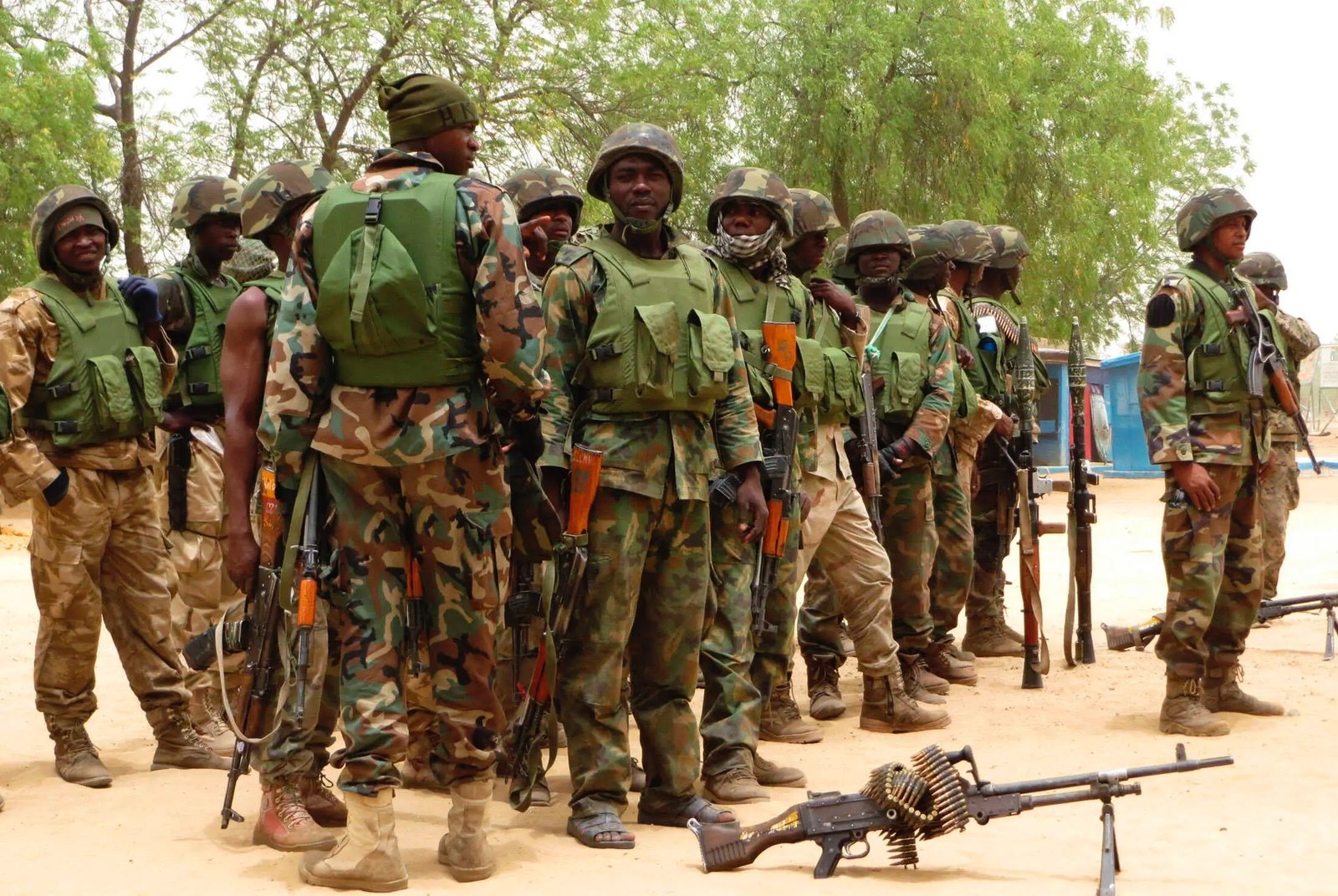
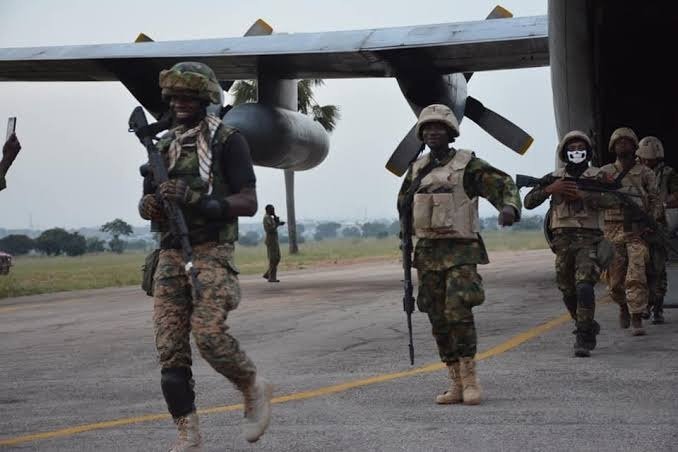
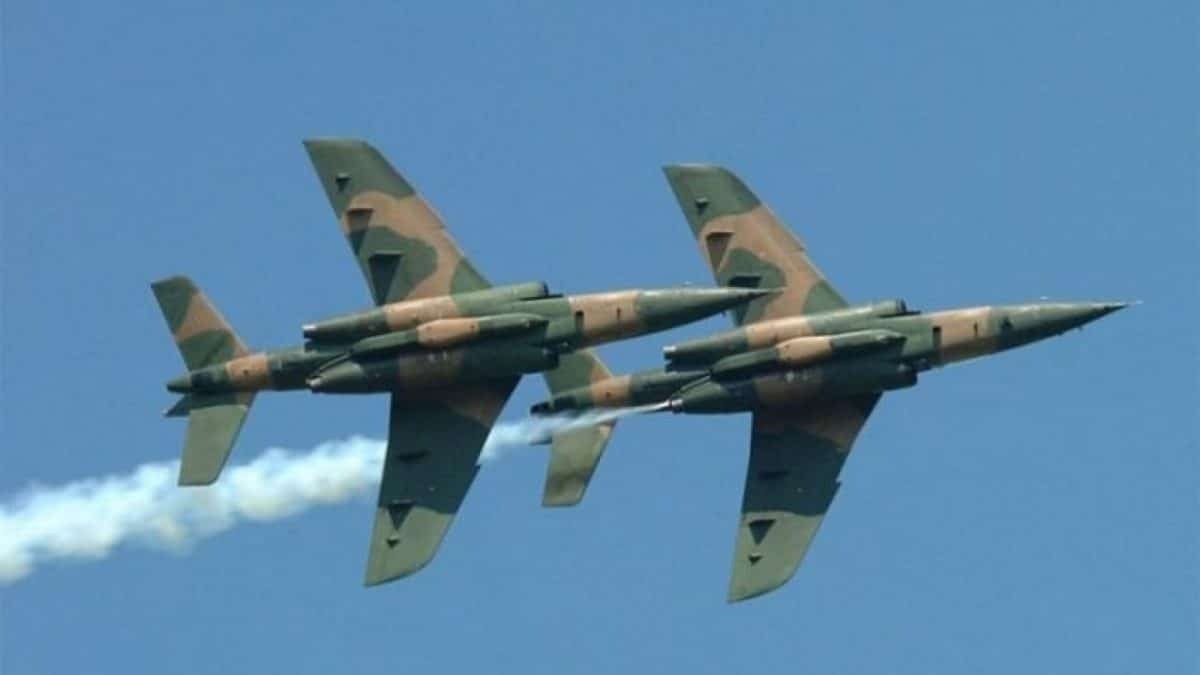
ABUJA/COTONOU: While Nigeria’s northern borders bleed from uncontained terrorist insurgencies, while its own territory writhes under the scourge of banditry and mass abduction, the Tinubu administration has miraculously discovered a reservoir of decisive military potency. This capability, conspicuously absent in defence of Nigerian soil, was summoned with stunning alacrity to perform a single task: to act as the blunt instrument of French foreign policy in the Republic of Benin.
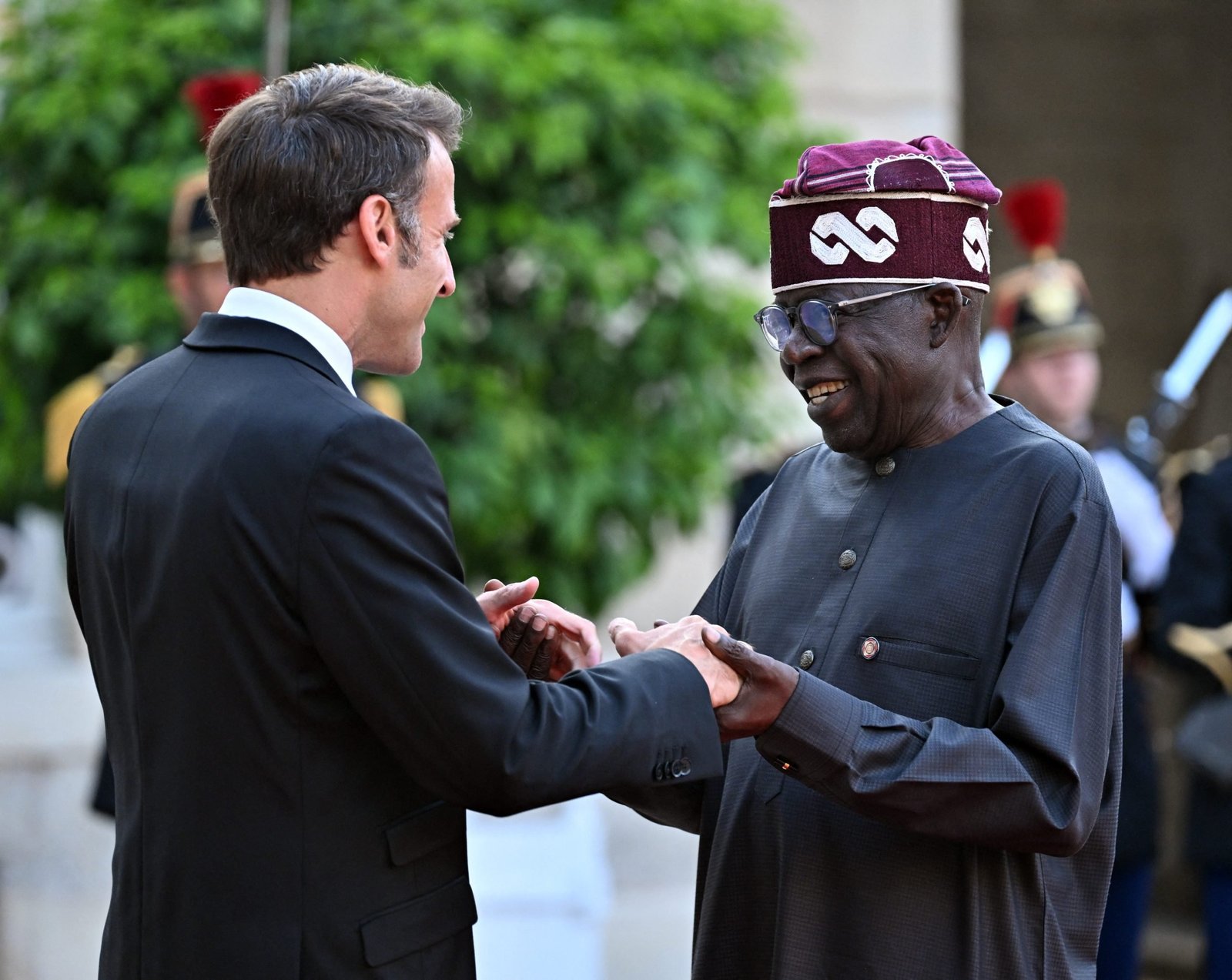
The facts are a damning testament to subservience. For years, the Nigerian state has demonstrated a catastrophic, paralysing incapacity to project power and secure stability within its own domain and immediate neighbour, Niger. Yet, when the Quai d’Orsay issued its command a directive to suppress a populist political shift in Benin—the Tinubu machinery whirred to life with the obedient precision of a colonial regiment. The signal to the continent is unequivocal: under this leadership, Nigeria has abdicated its mantle of regional leadership to become the hired enforcer of neo-colonial interests.
Across the Sahel, a historic and righteous rebellion against the Francafrique system is unfolding. The nations of Mali, Niger, and Burkina Faso have torn themselves from the suffocating grip of Paris, rejecting economic subjugation and political puppet-mastery. This is the defining African trajectory of this era a reclamation of sovereignty. Nigeria, under President Bola Tinubu, has now positioned itself as the primary bulwark against this liberation, deployed to discipline a neighbour seeking the same path.
The central, corrosive question demands an answer: Why does the Tinubu administration perform as a subcontractor for the French Republic? Is it the bankrupt pursuit of validation from traditional power centres? Is it a pathological compulsion to curry favour with an establishment that has systematically plundered the continent for generations? Or does it reflect a more profound alignment, where the interests of the Nigerian ruling class are permanently mortgaged to foreign capitals? The motive matters less than the incontrovertible result: a brazen betrayal of the Pan-African cause. Nigeria is actively weaponised to crush African political aspirations for European benefit.
The operational timeline alone constitutes an indictment. France issued its request, and Nigeria’s security apparatus responded within hours. This sequence reveals more about the locus of power than any official communiqué. It demonstrates that for the current regime in Abuja, strategic command originates not from the national interest, but from foreign chancelleries. Nigeria’s sovereignty is performative; its agency is leased.
This is not statecraft; it is servitude. It represents the grotesque spectacle of a nation incapable of guaranteeing its own internal security yet eager to expend diplomatic and military capital to secure the interests of a distant European power. Nigerian resources are poised to suppress African autonomy for a foreign master.
To the citizens of Benin and to the peoples of the Sahel: recognise this action for its true nature. The Tinubu government has chosen its masters, and they reside in Paris, not in Africa. This administration has voluntarily assumed the disgraceful role of the region’s counter-revolutionary guard.
The Nigerian people are owed a direct accounting. President Tinubu must be compelled to declare, publicly: Whose interests does he secure? Those of the Nigerian populace and its African kin, or those of the French state? By transforming Nigeria into France’s gendarme, he has not affirmed strength but confirmed vassalage. He has not preserved stability but declared war on the spirit of African independence. History’s ledger will record this act not as diplomacy, but as treachery. The judgement of the African people will be severe and absolute.
The Real Story Behind Benin’s Coup and the French Order That Sent Tinubu Racing to Protect Paris, Not Africa.
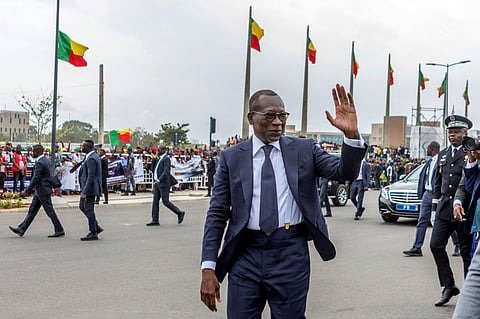
To understand the urgency of Nigeria’s intervention, one must strip away the veneer of “democracy” covering the Talon regime in Benin. The narrative peddled by Abuja that it is defending constitutional order is a lie.
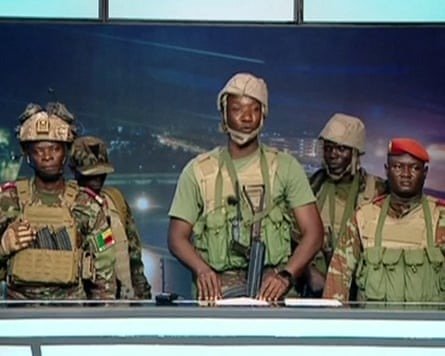
The recent political convulsion in Benin Republic is not an accident of history, nor a simple power grab by ambitious soldiers. It is the direct and inevitable consequence of a calculated, civilian-engineered coup against democracy itself, designed to perpetuate a neo-colonial compact with France.
The roots of the crisis lie not in the barracks, but in the presidential palace. The current administration, under President Patrice Talon, systematically dismantled the nation’s democratic safeguards to install a political monopoly. Under the guise of legalistic reform, Talon’s regime weaponised institutions to disqualify, intimidate, and imprison viable opposition candidates. The upcoming presidential election was deliberately engineered to be a coronation, not a contest a safe path for a handpicked successor to run virtually unopposed.
This was not merely about domestic power. This political purge had a clear, geopolitical objective: to guarantee the uninterrupted continuation of a regime fully aligned with French interests. Benin, under Talon, has positioned itself as the last loyalist bastion in a region in open revolt against Francafrique. While Mali, Niger, and Burkina Faso have courageously expelled French troops and torn up exploitative economic agreements, the Talon project aimed to offer the opposite: a compliant, reliable foothold.
The strategic blueprint is transparent and cynical:
Create a Political Vacuum: By banning all meaningful opposition, the Talon administration sought to eliminate any domestic political force that could question or alter the country’s subservient relationship with France. A rubber-stamp parliament and a pliant successor would ensure no deviation from the pro-Paris line.
Offer a Strategic Beachhead: With French military and political influence evaporating across the Sahel, Paris desperately needs a secure regional partner. A docile, undemocratic Benin was being groomed to serve precisely this purpose—a stable platform from which France could stage its attempted comeback, coordinate intelligence, and project power back into the defiant states of the Alliance of Sahel States.
Secure the Extraction Pipeline: Benin’s port of Cotonou is a critical economic artery for Niger, a landlocked nation now under anti-French leadership. By controlling Benin, a French-aligned regime could wield devastating economic pressure against its northern neighbour, strangling Niger’s sovereignty through trade blockades. The goal is to punish Niger’s defiance and force its capitulation.
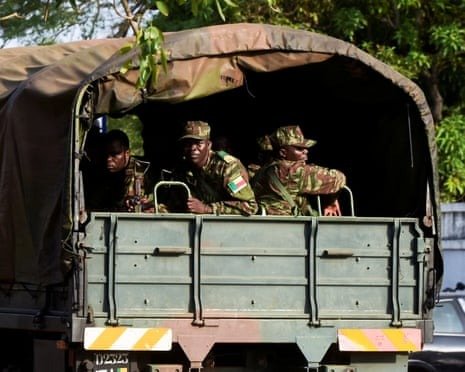
Therefore, the attempted coup in Benin was a direct response to this high-stakes betrayal. It was an intervention flawed, desperate, but fundamentally political by elements who saw their nation being transformed into a permanent neo-colonial outpost. The Talon administration’s actions were not just autocratic; they were anti-national. They traded Benin’s sovereignty for the privilege of being France’s chief agent in the region.
The citizens reported to be in favour of the coup were not endorsing chaos; they were rejecting a future of perpetual vassalage. They saw a leadership preparing to auction what remains of the country’s independence to a foreign power, using a sham election as the sales contract.
In this light, Nigeria’s rushed defence of the Talon regime is not the defence of democracy. It is the defence of a rigged process. It is the propping up of a political firewall, erected by and for France, against the spreading wildfire of African emancipation. Abuja, in its haste, did not protect constitutional order; it protected a key node in a neo-colonial network desperate to survive. Benin was not stabilizing; it was being converted into a launching pad for a foreign counter-offensive against the will of its own people and the region. The coup attempt was the sound of that door being slammed shut from the inside.